

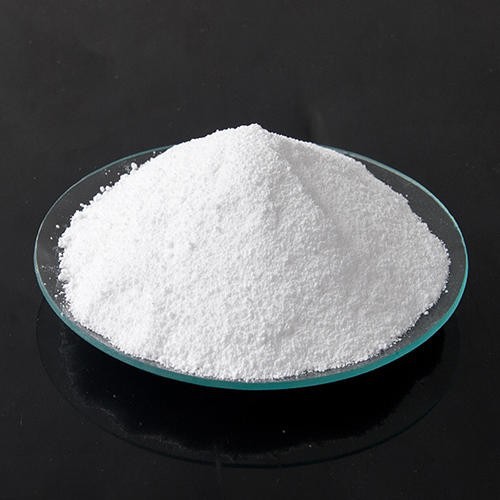
Key Properties
- Chemical Formula: Na₅P₃O₁₀
- Molecular Weight: 367.86 g/mol
- Appearance: White crystalline powder
- Solubility: Soluble in water
- pH: Alkaline, typically around 9–10 in aqueous solution
- Water softening ability: Highly effective at binding calcium and magnesium ions, preventing them from interfering with cleaning processes
- Stability: Stable under normal conditions, but can hydrolyze in acidic conditions
Main Functions & Applications
STPP is primarily used in detergents and cleaning products to improve their performance:
Water softening agent:
STPP is highly effective at binding calcium and magnesium ions, which are the primary cause of water hardness. By softening water, STPP allows detergents to perform better by reducing soap scum formation and improving cleaning efficiency.
Detergent booster:
It is often used in laundry detergents and dishwashing products to enhance the effectiveness of surfactants. STPP improves the cleaning power of detergents, especially in hard water, by breaking down grease, stains, and dirt.
Dispersing agent:
It also acts as a dispersant in cleaning formulations, keeping dirt and particles in suspension, making them easier to remove.
STPP is used in water treatment processes to enhance efficiency:
Scale control:
STPP is often used in industrial water treatment systems, such as cooling towers and boilers, to prevent the formation of scale caused by calcium and magnesium ions in water.
Chelating agent:
In water treatment, it helps to bind with metal ions and prevent corrosion, reducing the need for other chemicals and improving the efficiency of water treatment systems.
In the food industry, Sodium Tripolyphosphate serves several important functions:
Food additive:
Sodium tripolyphosphate in detergent is used as a preservative, stabilizer, and sequestrant in processed foods, especially in seafood, meat, and dairy products. It helps to retain moisture in meats and seafood, making them appear fresher for longer.
Improving texture:
It is commonly added to seafood and meat products to improve their texture by binding water and preventing the loss of moisture during cooking and storage.
Emulsifying agent:
In cheese processing, STPP helps in the emulsification of fats, improving the texture and consistency of processed cheeses.
Phosphate source:
STPP is a source of phosphate, an essential nutrient in human diets, but its use is regulated to avoid excessive intake.
Sodium Tripolyphosphate is used in various industrial applications:
Detergents in industrial cleaning:
In industrial applications, STPP is used in industrial degreasers, paint removers, and other cleaning agents to help break down tough grime, grease, and oils.
Ceramics and Glass Production:
It is used in the ceramic and glass industries as a fluxing agent to reduce the melting point of raw materials, making the manufacturing process more efficient.
Textile industry:
STPP is used in the textile industry as a softening agent and scouring agent, especially during the dyeing process to ensure better uptake of dyes.
STPP is used in agricultural applications as well:
Fertilizer manufacturing:
STPP is used in fertilizer production as a chelating agent to bind with essential nutrients and improve the availability of minerals to plants. It is used in some liquid fertilizers and micronutrient formulations to enhance the efficacy of fertilizers.
Pesticide formulations:
Used as a dispersant and stabilizer in pesticide formulations, ensuring the active ingredients remain evenly distributed throughout the solution.
Specs
|
ITEM |
STANDARD |
||
|
Superior Grade |
First Grade |
Second Grade |
|
|
Whiteness/% ≥ |
90 |
85 |
80 |
|
Phosphorus pentoxide (P2O5)/% ≥ |
57.0 |
56.5 |
55.0 |
|
Sodium tripolyphosphate (Na5P3O10)/% ≥ |
96 |
90 |
85 |
|
Water-insoluble matter/% ≤ |
0.10 |
0.10 |
0.15 |
|
Iron (Fe)/% ≤ |
0.007 |
0.015 |
0.030 |
|
pH value (1% solution) |
9.2-10.0 |
||
|
Particle size |
The sieving rate through a 1.00mm test sieve is no less than 95%. |
||


