

As a supplier of HPMC (Hydroxypropyl Methylcellulose) cellulose, ensuring the purity of our product is of utmost importance. Purity not only affects the performance of HPMC in various applications but also determines its compliance with industry standards and customer requirements. In this blog, I will share some common methods to test the purity of HPMC cellulose.
1. Appearance and Physical Properties
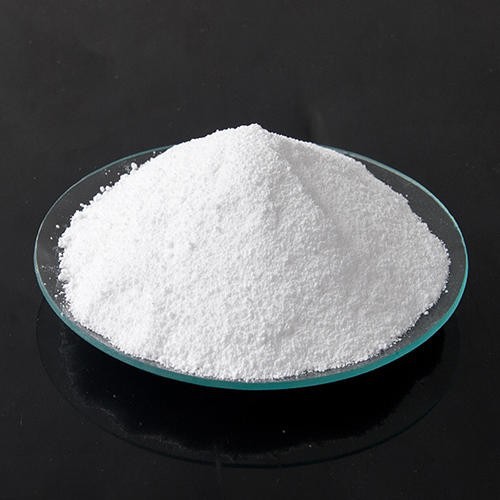
- Visual Inspection: The first step in assessing HPMC purity is a simple visual inspection. High - purity HPMC typically appears as a white or off - white powder. Any discoloration, such as yellowing or the presence of dark spots, may indicate impurities or degradation. For example, if the HPMC has been exposed to high humidity or improper storage conditions, it may start to clump or show signs of mold growth, which are clear indicators of a non - pure product.
- Particle Size Analysis: The particle size of HPMC can also provide insights into its purity. A consistent particle size distribution is often associated with a more pure product. Techniques such as laser diffraction can be used to measure the particle size. If there are large variations in particle size, it could suggest the presence of agglomerates or contaminants.
2. Chemical Analysis
- Elemental Analysis: This method is used to determine the presence of trace elements in HPMC. Techniques like inductively coupled plasma - mass spectrometry (ICP - MS) can accurately measure the levels of various elements. For instance, the presence of heavy metals such as lead, mercury, or cadmium in HPMC is strictly regulated. If these elements are detected above the acceptable limits, it indicates that the HPMC is impure.
- Functional Group Analysis: Fourier - transform infrared spectroscopy (FTIR) is a powerful tool for analyzing the functional groups in HPMC. HPMC has characteristic absorption peaks corresponding to its chemical structure, such as the peaks related to hydroxyl groups, methoxy groups, and propoxy groups. Any deviation from the expected FTIR spectrum may suggest the presence of impurities or incorrect substitution levels.
- Substitution Degree Determination: The substitution degree of HPMC, which refers to the number of hydroxyl groups in the cellulose backbone that have been substituted with methoxy and hydroxypropyl groups, is a crucial parameter. Methods such as nuclear magnetic resonance (NMR) spectroscopy can be used to accurately measure the substitution degree. A consistent and appropriate substitution degree is an indication of high - purity HPMC.
3. Solubility and Viscosity Tests
- Solubility: HPMC is soluble in water, and the solubility behavior can be used to assess its purity. A pure HPMC sample should dissolve completely in water within a reasonable time frame. If there are insoluble residues after dissolution, it may be due to the presence of impurities such as unreacted cellulose or other contaminants.
- Viscosity Measurement: Viscosity is an important property of HPMC solutions. The viscosity of a HPMC solution is related to its molecular weight and purity. A pure HPMC sample will have a consistent viscosity under specific conditions. Deviations from the expected viscosity values may indicate impurities or changes in the molecular structure of HPMC. For example, if the viscosity is lower than expected, it could be due to degradation of the HPMC molecules, which may be caused by impurities or improper storage.
4. Comparison with Standards
- Reference Standards: We often use reference standards of HPMC with known purity levels for comparison. By comparing the test results of our HPMC samples with those of the reference standards, we can more accurately determine the purity of our products. For example, if the elemental analysis results of our sample closely match those of the reference standard, it is a good indication of high purity.
- Industry Standards: Adhering to industry standards is essential for ensuring the purity of HPMC. Standards such as those set by the Food and Drug Administration (FDA) for HPMC used in food and pharmaceutical applications, or the standards of the International Organization for Standardization (ISO), provide clear guidelines on the acceptable levels of impurities and quality parameters.
Applications of HPMC and the Importance of Purity
HPMC has a wide range of applications in various industries. In the construction industry, it is used as a thickener, water - retaining agent, and film - forming agent in cement - based mortars, gypsum - based plasters, and tile adhesives. High - purity HPMC ensures better workability, adhesion, and durability of these construction materials.
In the pharmaceutical industry, HPMC is used as a binder, disintegrant, and controlled - release agent in tablets and capsules. The purity of HPMC is crucial for ensuring the safety and efficacy of pharmaceutical products. Impurities in HPMC could potentially interact with the active ingredients in drugs, leading to adverse effects.
In the food industry, HPMC is used as a thickener, emulsifier, and stabilizer. The purity of HPMC in food applications is strictly regulated to ensure food safety.
Related Products and Their Links
When dealing with HPMC and related chemical products, it's important to be aware of other substances that may be used in conjunction or have similar testing requirements. For example, Dicalcium Phosphate Dihydrate is a common ingredient in various industries, including food and pharmaceuticals. Sodium Tripolyphosphate in Detergent is widely used in the detergent industry, and EDTA - 4NA is an important chelating agent.
Conclusion and Invitation to Contact
At our company, we are committed to providing high - purity HPMC cellulose to our customers. We use a combination of the above - mentioned testing methods to ensure the quality and purity of our products. Our strict quality control measures guarantee that our HPMC meets or exceeds industry standards.
If you are in need of high - purity HPMC cellulose for your applications, we invite you to contact us for a detailed discussion. We can provide you with samples for testing and offer technical support to help you select the most suitable HPMC product for your specific needs. Whether you are in the construction, pharmaceutical, or food industry, we have the expertise and resources to meet your requirements.

References
- ASTM International. (Year). Standard test methods for cellulose ethers. ASTM D2363 - XX.
- European Pharmacopoeia. (Year). Monograph on Hydroxypropyl Methylcellulose.
- United States Pharmacopeia. (Year). USP - NF monograph on Hypromellose.